
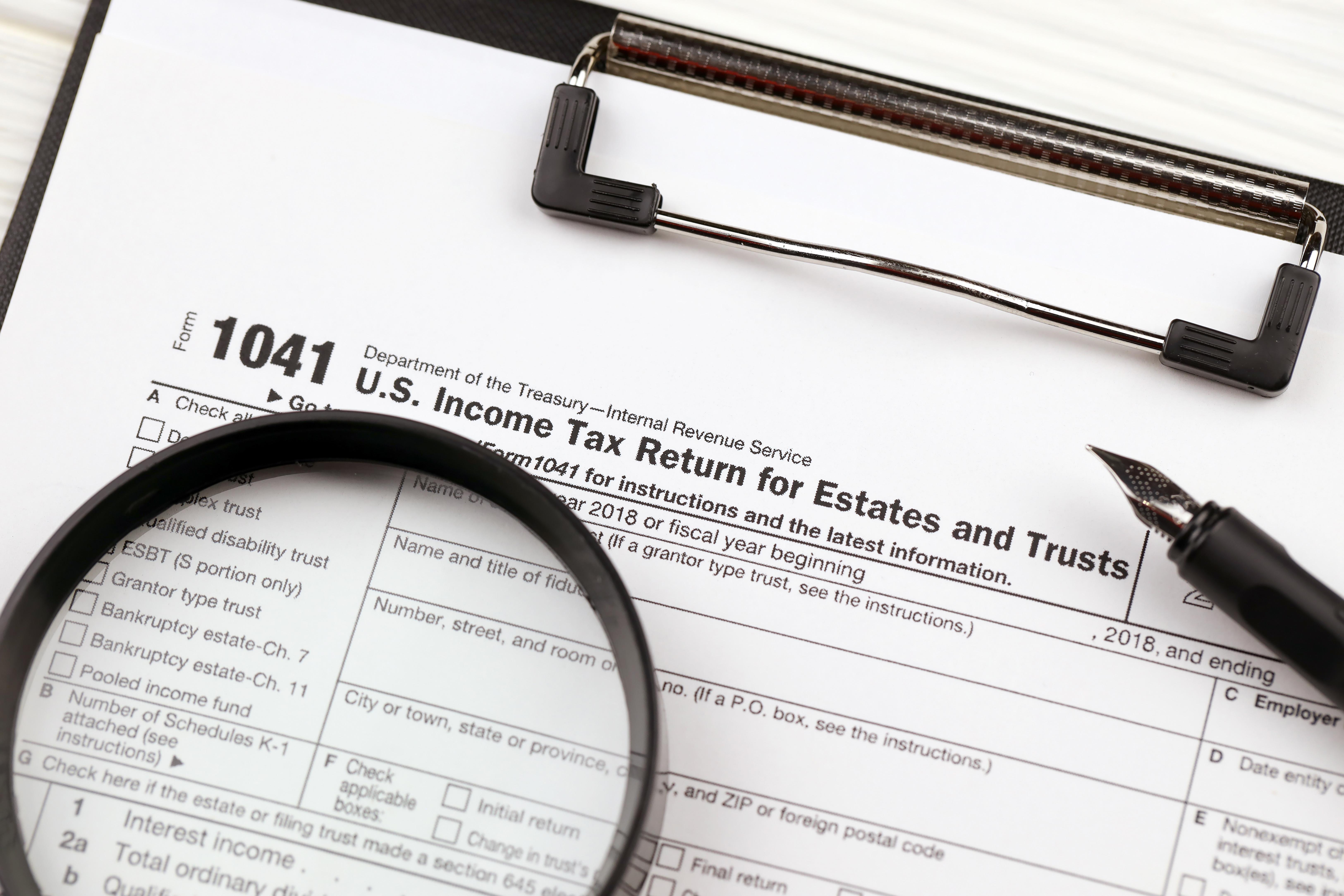
Common Mistakes When Filing Trust and Estate Tax Returns
Trust and estate tax returns are very different from individual tax filings—and they’re often more complex than people expect.
Executors, trustees, and beneficiaries frequently assume these returns are straightforward extensions of personal taxes. In reality, even small errors can lead to penalties, IRS notices, delayed distributions, or unintended tax consequences.
Below are some of the most common mistakes we see when filing trust and estate tax returns—and why professional guidance matters.
1. Missing Filing Deadlines
One of the most frequent mistakes is simply missing the filing deadline.
Trust and estate returns often follow different rules and timelines than individual tax returns, and deadlines can vary based on:
- Date of death
- Type of trust or estate
- Whether income was earned during the year
Why it matters: Late filings can trigger penalties and interest—especially costly for estates holding significant assets.
2. Filing the Wrong Type of Return
Not all trusts and estates file the same forms.
Common errors include:
- Filing an individual return when a fiduciary return is required
- Confusing grantor trusts with non-grantor trusts
- Misclassifying estate income versus trust income
Why it matters: Using the wrong return can invalidate the filing and lead to IRS correspondence or amended returns.
3. Incorrect Allocation of Income and Distributions
Trust and estate taxation depends heavily on who receives the income.
Mistakes often occur when:
- Income isn’t properly allocated between the trust and beneficiaries
- Distributions aren’t reported correctly
- Required distributions are overlooked or misreported
Why it matters: Errors in allocation can cause income to be taxed at higher rates or taxed to the wrong party.
4. Overlooking Trust and Estate Tax Rates
Trusts and estates reach the highest marginal tax rates at much lower income levels than individuals.
Many filers assume:
- Tax brackets mirror individual returns
- Income can safely remain in the trust without added cost
Why it matters: Poor planning can result in unnecessarily high taxes at the trust level.
5. Failing to Coordinate with Estate Planning Documents
Tax filings should align with:
- The trust agreement
- The will
- Distribution provisions
- Fiduciary responsibilities
Errors occur when tax decisions are made without reference to legal documents.
Why it matters: Misalignment can lead to compliance issues and beneficiary disputes.
6. Missing Deductions Available to Trusts and Estates
Trust and estate returns offer deductions that are often overlooked, including:
- Fiduciary fees
- Legal and accounting expenses
- Certain administration costs
- State-level fiduciary taxes
Why it matters: Missed deductions result in higher taxable income than necessary.
7. Improper Handling of Final Individual Returns
Estates often need to file a final individual income tax return in addition to fiduciary returns.
Common mistakes include:
- Not properly identifying the final return
- Missing income received after death
- Incorrectly attributing income to the decedent versus the estate
Why it matters: Proper separation is essential for compliance and accurate reporting.
8. Ignoring State Filing Requirements
Trusts and estates can be subject to state-level filing and taxation—even when assets or beneficiaries are spread across multiple states.
Mistakes often arise from:
- Assuming only one state filing is required
- Not understanding residency rules for trusts
- Overlooking nexus issues
Why it matters: State errors can multiply compliance problems and penalties.
9. Lack of Professional Coordination
Trust and estate administration usually involves multiple professionals:
- Attorneys
- Accountants
- Financial advisors
- Trustees or executors
When these parties aren’t aligned, mistakes are more likely.
Why it matters: Coordinated planning reduces errors and improves outcomes for beneficiaries.
Final Thoughts
Trust and estate tax returns require specialized knowledge, careful documentation, and attention to detail.
Most mistakes don’t stem from negligence—they result from underestimating the complexity of fiduciary taxation. The cost of fixing errors often far exceeds the cost of getting it right the first time.
At Weiss Advisory Group, we help trustees, executors, and families navigate trust and estate tax filings with clarity, accuracy, and confidence—so administrative responsibilities don’t become lasting problems.